GitHub Copilot Adds OpenAI’s GPT-5.6 Sol, Terra, and Luna Models
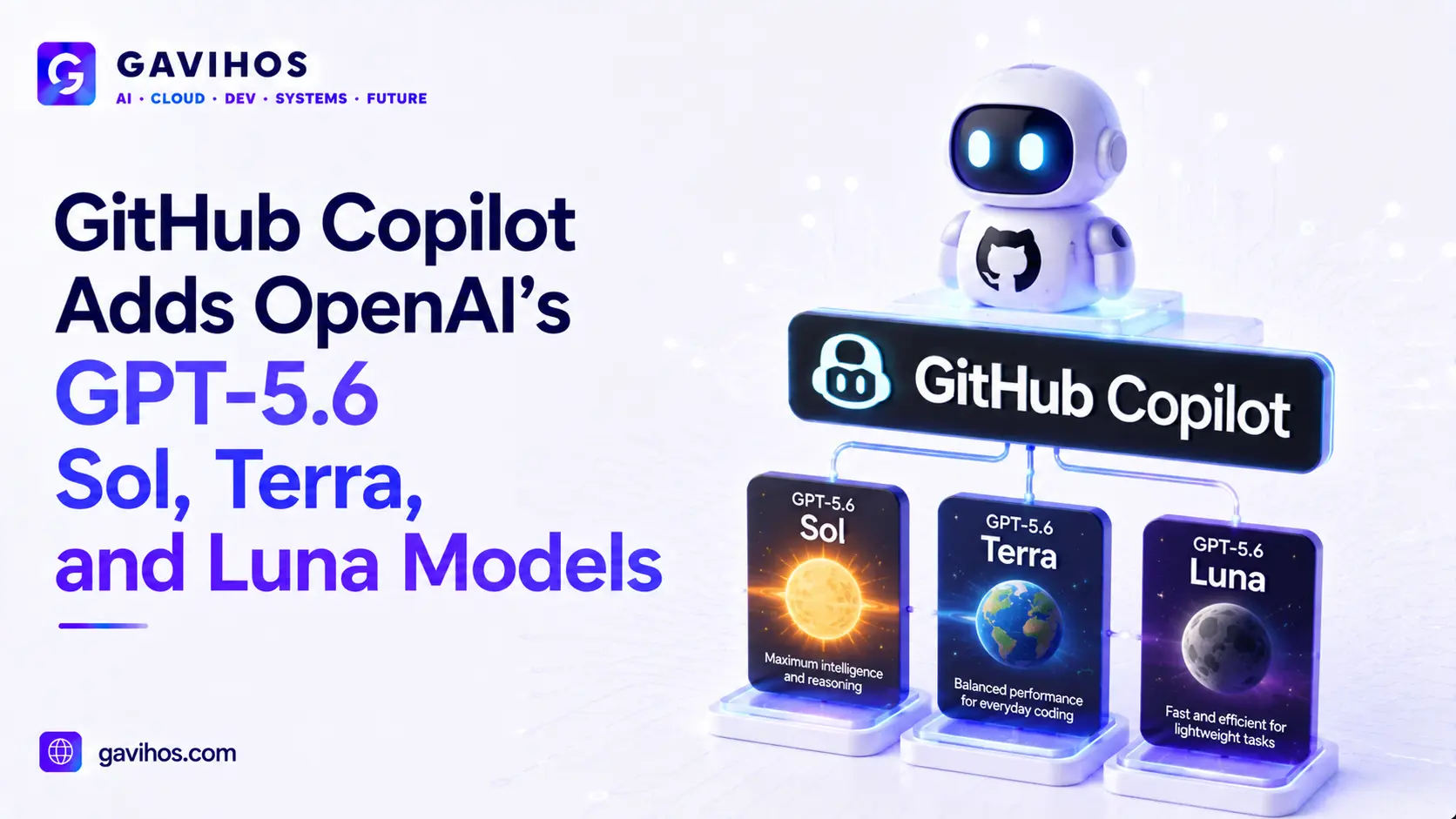
GitHub Copilot Adds OpenAI's GPT-5.6 Sol, Terra, and Luna Models

Millions of developers open GitHub Copilot every day without thinking much about which AI model is actually answering them. That changed again this week. On July 9, 2026, GitHub confirmed that OpenAI’s GPT-5.6 family — three separate models named Sol, Terra, and Luna — is now available inside Copilot, giving developers an explicit choice between … Read more
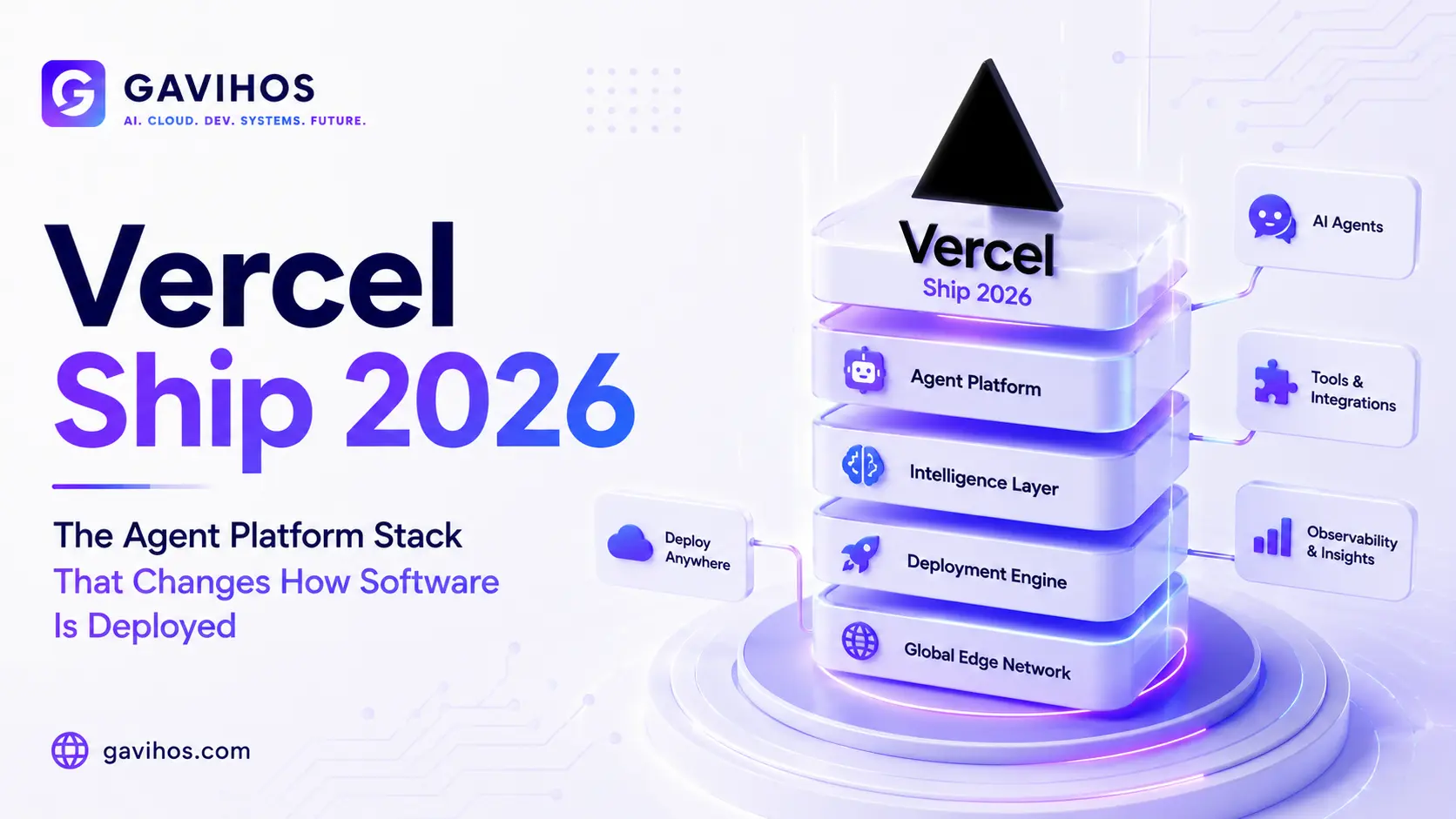
Vercel Ship 2026: The Agent Platform Stack That Changes How Software Is Deployed

Vercel Ship 2026: The Agent Platform Stack That Changes How Software Is Deployed

Introduction In June 2026, Vercel ran two Ship events — London on June 17, New York City on June 30 — and the core message of both was the same: software deployment has structurally changed. Six months ago, fewer than 3% of Vercel deployments were triggered by coding agents. As of the NYC event, that … Read more

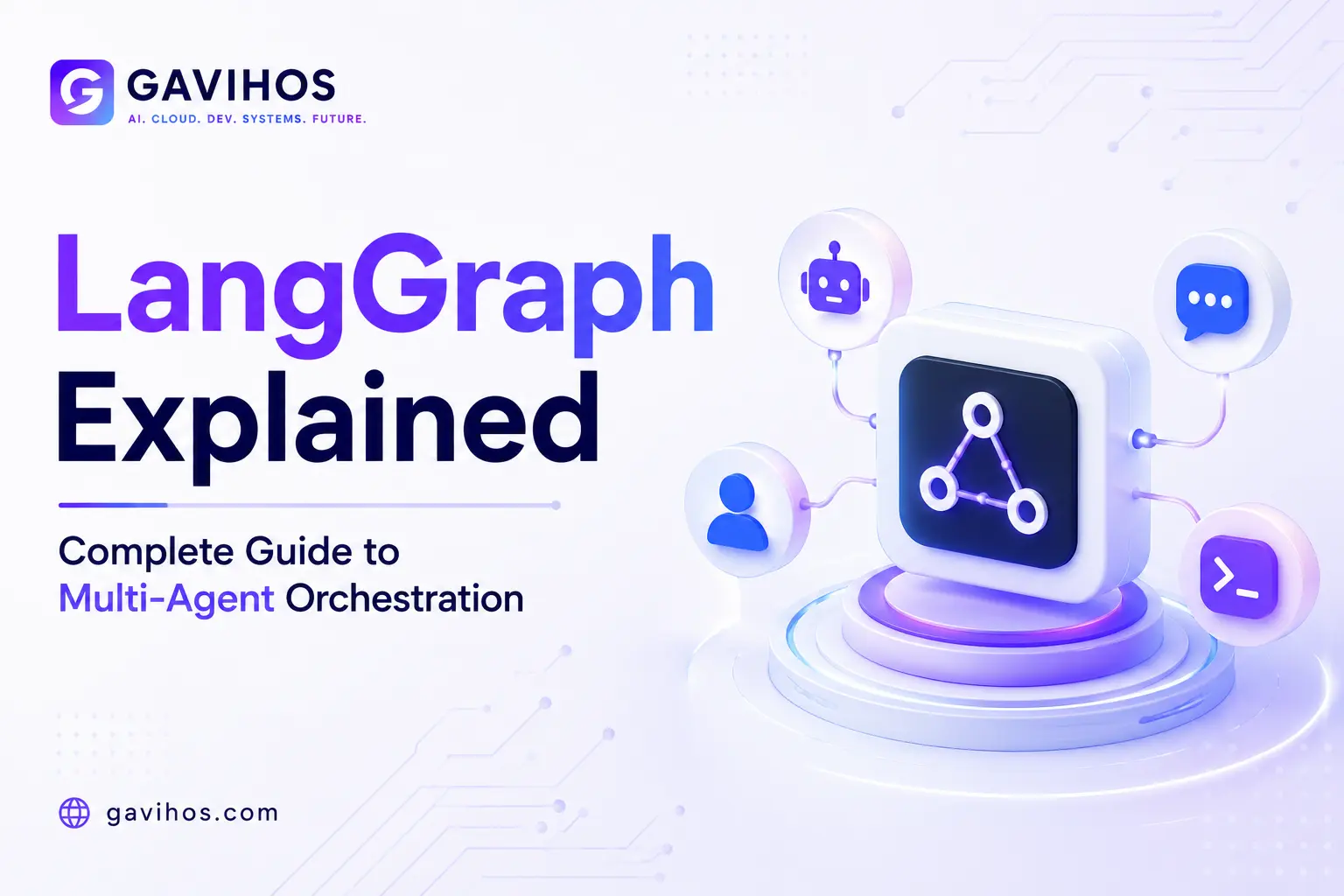
LangGraph Explained: Complete Guide to Multi-Agent Orchestration

LangGraph Explained: Complete Guide to Multi-Agent Orchestration

Introduction Most AI tutorials show you how to make a single LLM call. Real applications need more: multiple steps, conditional branching, tool use, state that persists across turns, and the ability to pause for human review before continuing. That is the gap LangGraph fills. LangGraph is a Python library for building stateful, multi-step AI workflows. … Read more

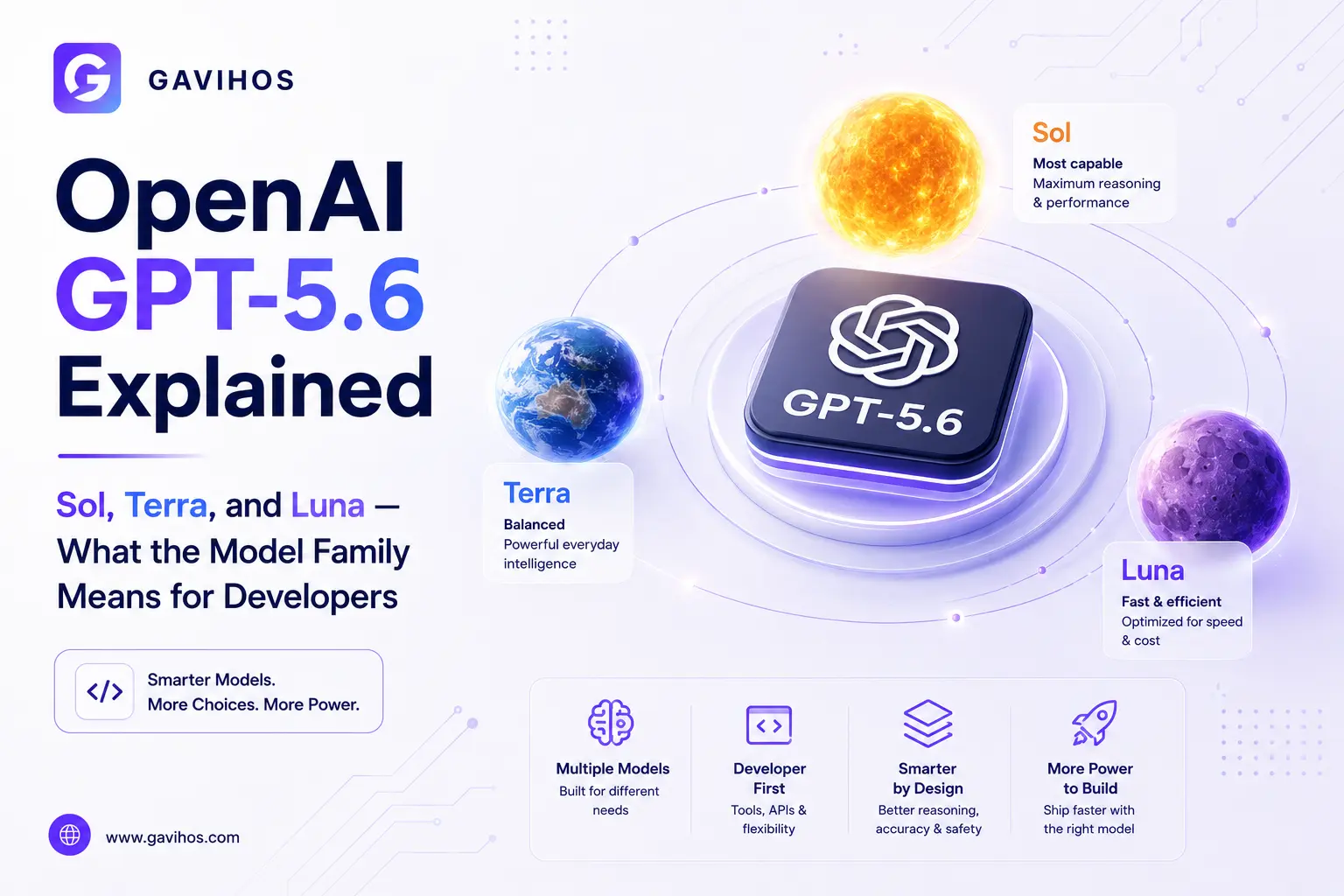
OpenAI GPT-5.6 Explained: Sol, Terra, and Luna — What the Model Family Means for Developers

OpenAI GPT-5.6 Explained: Sol, Terra, and Luna — What the Model Family Means for Developers

Introduction On June 26, 2026, OpenAI announced three new models — Sol, Terra, and Luna — under the GPT-5.6 family. The announcement is significant not because it follows a new model release, but because of what it reveals about where AI model development is heading: deliberate product differentiation by capability tier, active government involvement in … Read more

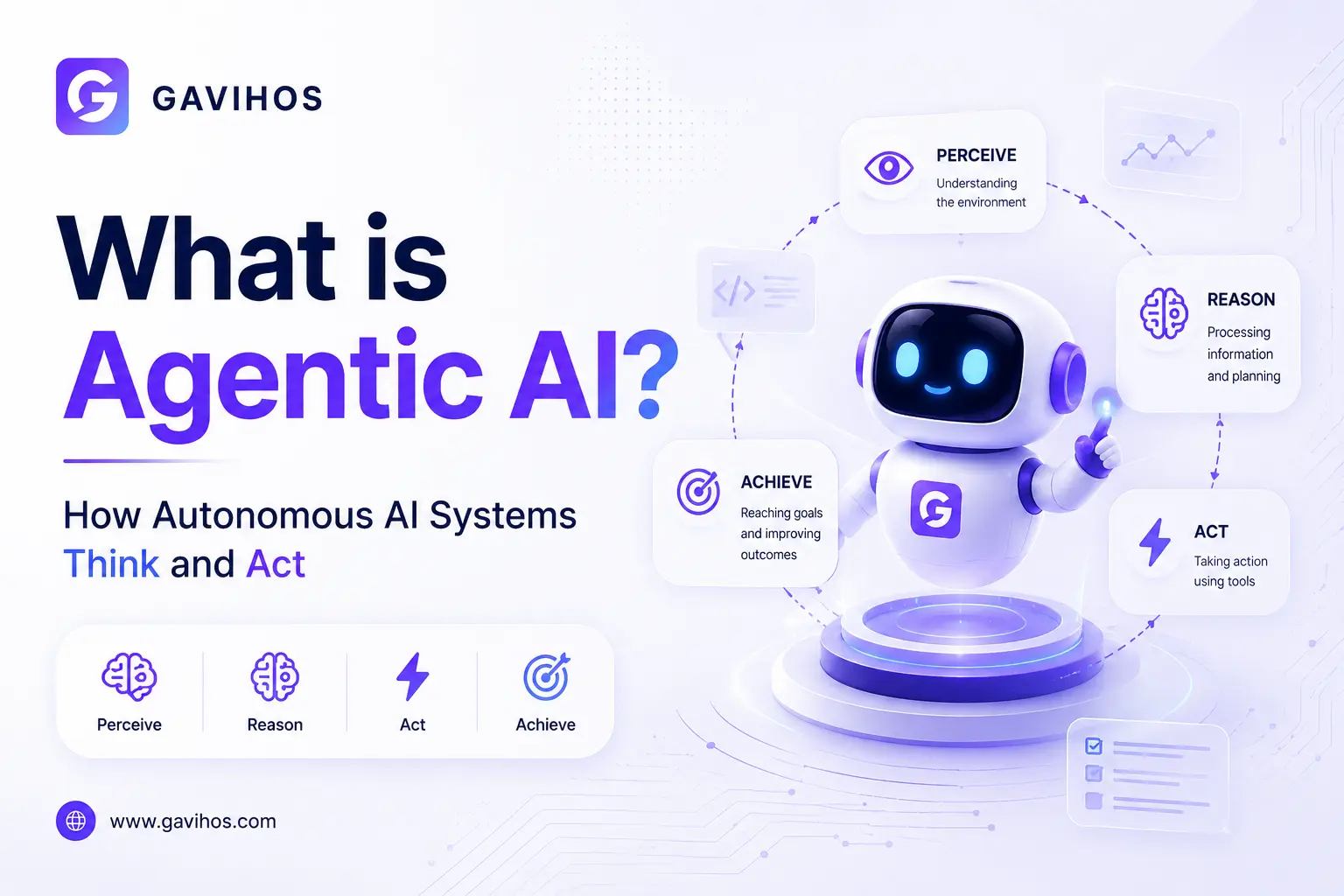
What is Agentic AI? How Autonomous AI Systems Think and Act

What is Agentic AI? How Autonomous AI Systems Think and Act

Introduction Agentic AI refers to AI systems that pursue goals autonomously — planning a sequence of actions, executing them, observing results, and adjusting based on what they find — rather than waiting for a human to direct each step. The word “agentic” comes from agency: the capacity to act independently toward a goal. An agentic … Read more

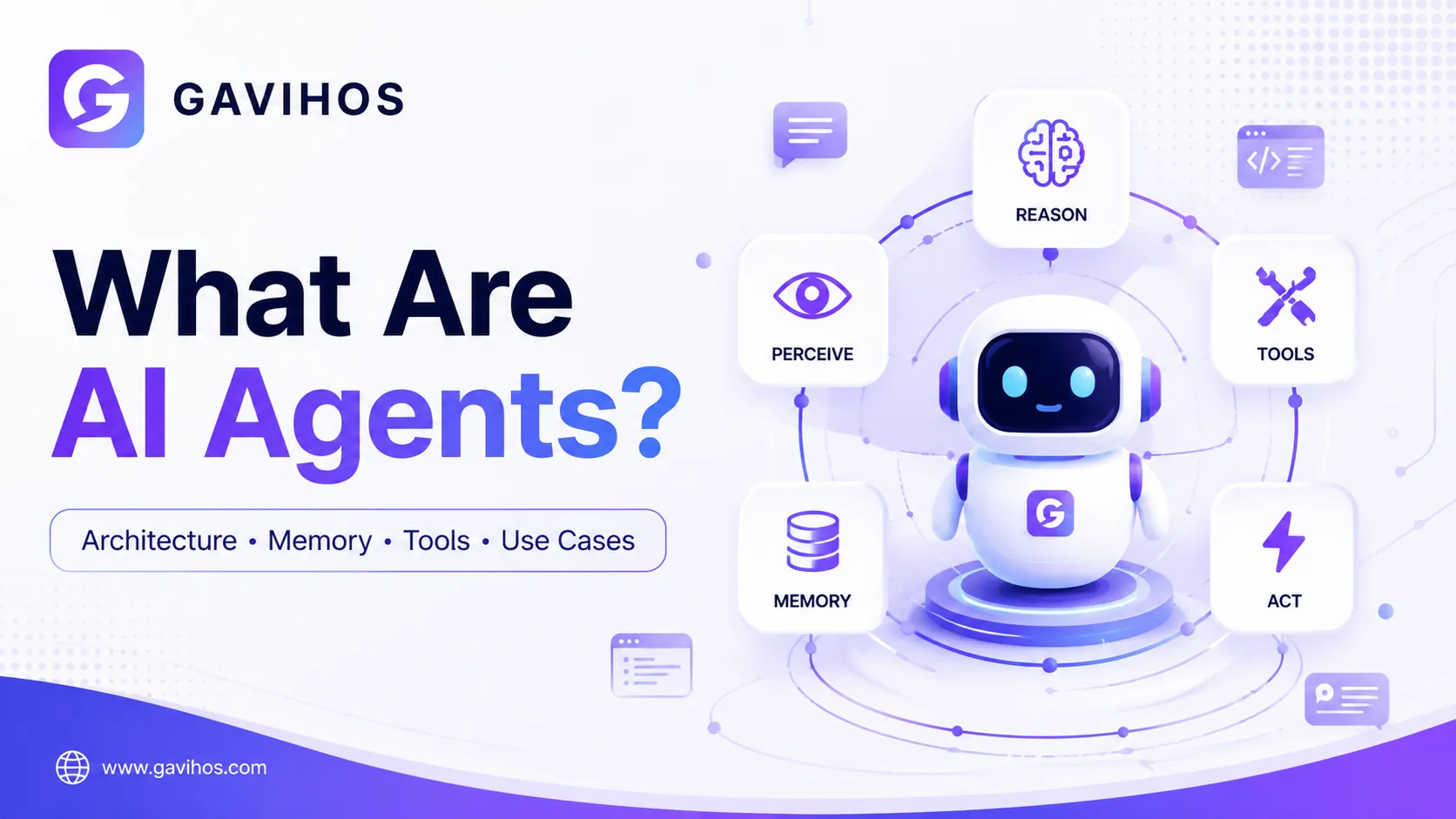
What Are AI Agents? Architecture, Memory, Tools and Real-World Use Cases

What Are AI Agents? Architecture, Memory, Tools and Real-World Use Cases

Introduction An AI agent is a system that uses a large language model as its reasoning engine to perceive inputs, make decisions, use tools, and take actions — repeatedly, across multiple steps — until a goal is achieved. This is different from a standard LLM call. When you ask ChatGPT or Claude a question and … Read more

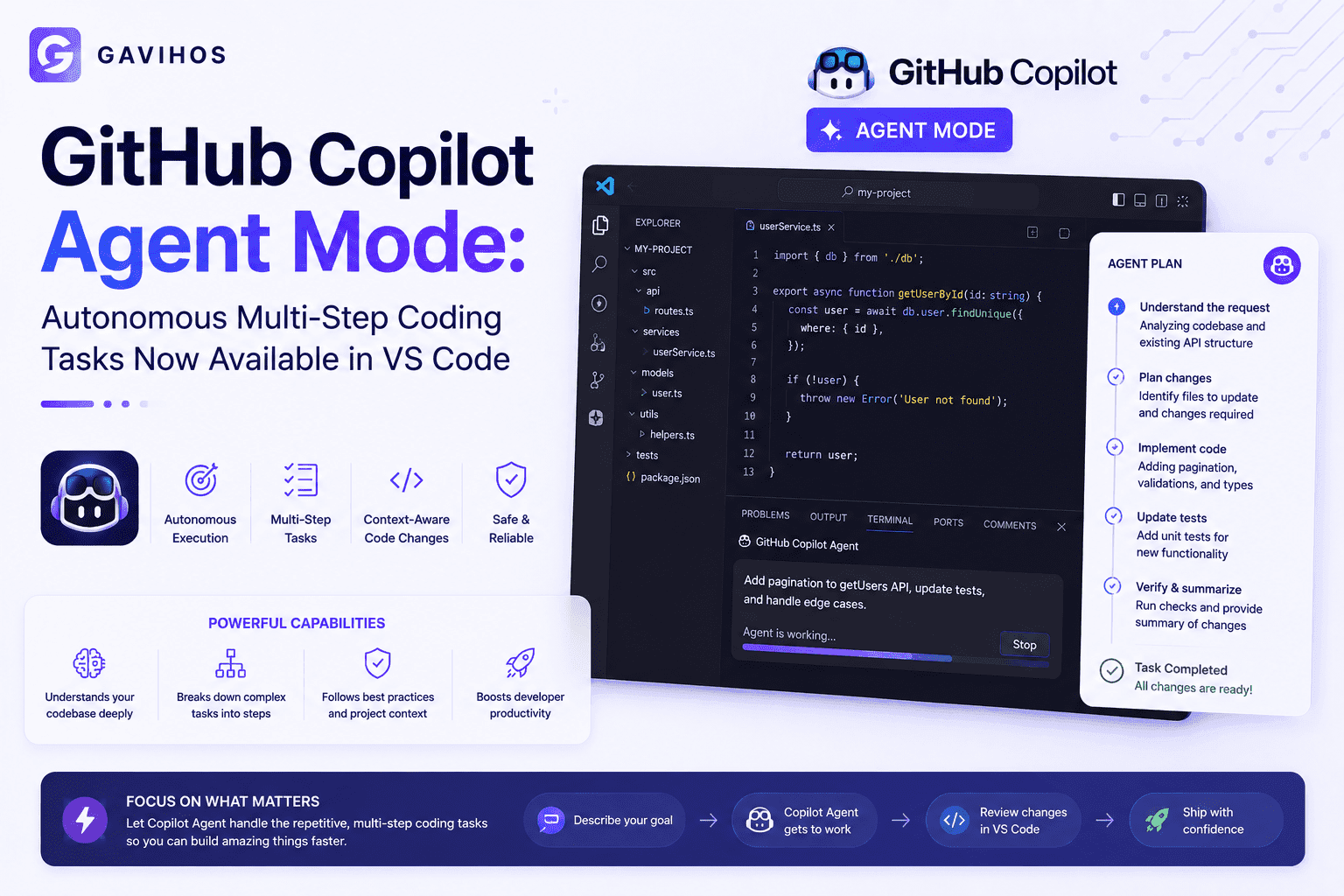
GitHub Copilot Agent Mode: Autonomous Multi-Step Coding Tasks Now Available in VS Code

GitHub Copilot Agent Mode: Autonomous Multi-Step Coding Tasks Now Available in VS Code

Introduction GitHub released Copilot Agent Mode for VS Code on June 25, 2026 — moving GitHub Copilot from a suggestion-based assistant to a system that autonomously plans and executes multi-step coding tasks. The difference is not incremental. Traditional Copilot suggests code as you type. Agent Mode accepts a natural language task, decides which files to … Read more

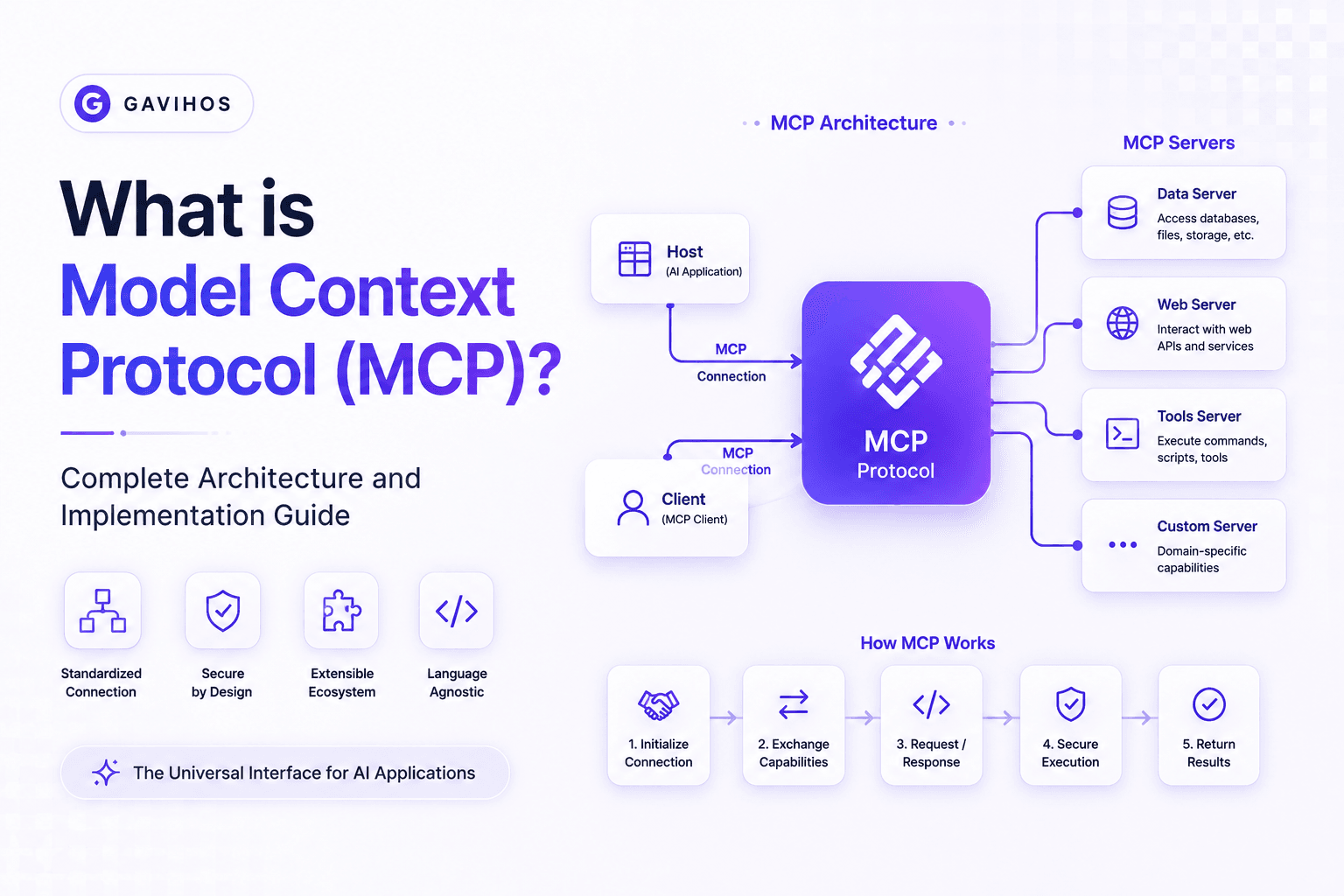
What is Model Context Protocol (MCP)? Complete Architecture and Implementation Guide

What is Model Context Protocol MCP architecture guide

Introduction AI models like Claude, GPT, and Gemini are powerful on their own. But on their own, they are also isolated. They cannot read your files. They cannot query your database. They cannot call your internal APIs. They can only work with what you paste into the chat window. This is a serious limitation for … Read more